Tattoo Budapest

tattoobudapest

tattoobudapest

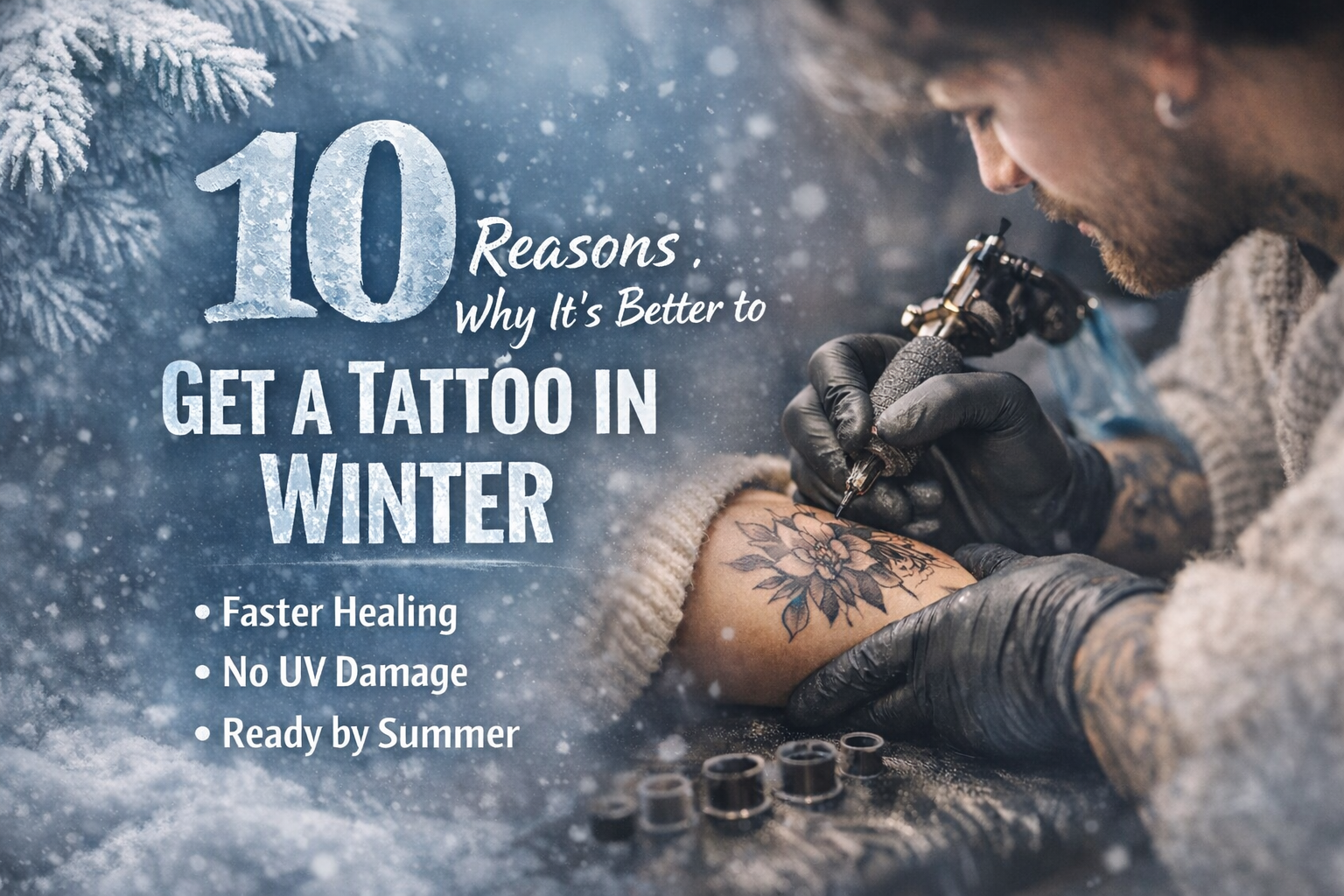
10 Reasons Why It’s Better to Get a Tattoo in Winter

2026. január 26. - nemcsilla

Many people still think of tattoos as a summer thing. But those with experience, both clients and tattoo artists, know the truth: winter is the hidden favorite season for getting tattooed. The skin is calmer, the sun is weaker, and decisions are made with intention rather than impulse.
chatgpt_image_2026_jan_26_18_27_47.png

Here are 10 reasons why winter is actually the best time to get a tattoo.

1. No UV, No Risk

Fresh tattoos and strong sunlight do not mix well. In winter, UV exposure is minimal, which means:

  • less risk of fading,

  • sharper lines,

  • a smoother healing process.

Your skin can focus on healing instead of defending itself from the sun.

2. Better Healing Conditions

Summer brings sweat, dust, pools, and the sea. Winter removes most of these factors. Clothing is protective, the environment is cleaner, and the skin is exposed to fewer irritations. This is especially important for larger pieces.

3. Less Sweat, Less Irritation

Sweating is uncomfortable and irritating for fresh tattoos. In winter:

  • the skin stays drier,

  • there’s less friction,

  • healing is simply more comfortable.

Your skin appreciates the break.

4. More Time for Planning

Winter slows everything down. Fewer spontaneous plans, more quiet evenings. This creates the perfect space for tattoo planning:

  • proper consultations,

  • refining the design,

  • making thoughtful decisions.

Good tattoos are not rushed, and winter respects that.

5. Easier to Find an Appointment

Summer schedules fill up fast. In winter:

  • there’s more flexibility,

  • it’s easier to find suitable dates,

  • larger projects fit more comfortably into the calendar.

Perfect if you’re planning more than a small piece.

6. Safely Covered Under Clothing

Fresh tattoos don’t need attention. Winter naturally keeps them protected:

  • fewer unwanted touches,

  • no constant explanations,

  • peaceful healing.

By the time it’s revealed, it’s no longer fresh, it’s confident.

7. Fully Healed by Summer

A winter tattoo is settled by spring and fully ready for summer. No stress about:

  • sun exposure,

  • hiding fresh work at the beach,

  • skipping summer activities.

You simply wear it.

8. More Thoughtful Decisions

Winter tattoos tend to come from reflection, not impulse. Clients often:

  • choose more meaningful designs,

  • take more time deciding,

  • regret them less.

This isn’t a statistic. It’s experience.

9. Ideal for Larger Projects

Sleeves, backs, thighs, chests. Large tattoos need time and focus. Winter offers:

  • cooler temperatures,

  • more patience for long sessions,

  • better conditions for multi-session work.

Big pieces love winter.

10. A Calmer Atmosphere for Everyone

This is rarely mentioned, but it matters. In winter:

  • there’s less rushing,

  • more focus,

  • a better creative rhythm between artist and client.

A great tattoo isn’t just technique. It’s a shared state of mind, and winter brings it.

Tattoos aren’t seasonal, but some seasons simply work better. Winter is one of them. Quieter, slower, more intentional. Better for the skin, the process, and the final result.

If you want a confident, healed tattoo by summer, the best time to start is often not summer itself, but the calm months before it.

New year, new skin: why tattoo parlors are packed in January

images.jpeg

New year, new skin
Why do most people decide to get a tattoo in January?


January is a strange month. The champagne has run out, the calendar is still untouched, and the skin waits quietly under thick sweaters. At this time of year, many people make quiet, lasting decisions rather than loud resolutions. A tattoo is exactly that. It's not a campaign or a fad, but a statement that the body makes for us.

But why are tattoo parlors' calendars full in January?


1. The psychology of starting over
The beginning of the year is a mental reset button. At this time of year, people:

close a difficult period,

get over breakups, moves, changes,

want a tangible sign that something new is beginning.

A tattoo is not just decoration. It is a reminder. A visual imprint of an internal decision. In January, many people feel for the first time that they are ready for it, and not just "someday."

2. More time, less rushing
In the summer, everyone is rushing around. Plans, travel, festivals, the beach. In January, however:

the pace is slower,

we have more time for ourselves,

it's easier to make appointments.

A tattoo requires planning. Discussion. Thought. In January, this is not a luxury, but a natural state of affairs. Guests don't just drop in, they arrive.

01_fonix_javitott-min-1786x2048_1.jpg

3. Winter healing, summer confidence
Experienced guests already know what first-timers only suspect:

there is less UV radiation in winter,

no beach, no salt water, no sweating,

so a fresh tattoo heals more calmly.

A design completed in January is stable by spring, and by summer it is no longer a fresh wound, but a confident part of the body. This awareness, rather than impulse, is behind many decisions.

4. Real determination instead of a "now or never" feeling
In summer, many tattoos are born in the moment. In winter, however, they are born from thought.

Typical in January:

first tattoos are done,

old ideas come to fruition,

meaningful designs are born.

At this time of year, there are fewer "just a little something" tattoos and more "this is who I am now" tattoos. This difference can also be seen in the designs.

5. New goals, new identity
The new year brings questions:

Who have I been so far?

Who do I want to be?

What am I leaving behind?

A tattoo is not an answer to these questions, but a visual compass. A word, a symbol, a shape that reminds you. In January, many people don't want to change, but to reinforce what they already know about themselves.

6. From the salon's perspective: more conscious guests
January guests often:

ask questions,

pay attention,

plan for the long term.

This is not only a more rewarding period professionally, but also personally. More conversation, more stories, less rushing. A good tattoo at this time is not a product, but a joint creation.

Not a resolution, but a mark
Most New Year's resolutions fade by February. A tattoo does not. In January, many people don't make any promises to themselves. They just leave a mark. One that reminds them that there was a moment when they decided: they matter.

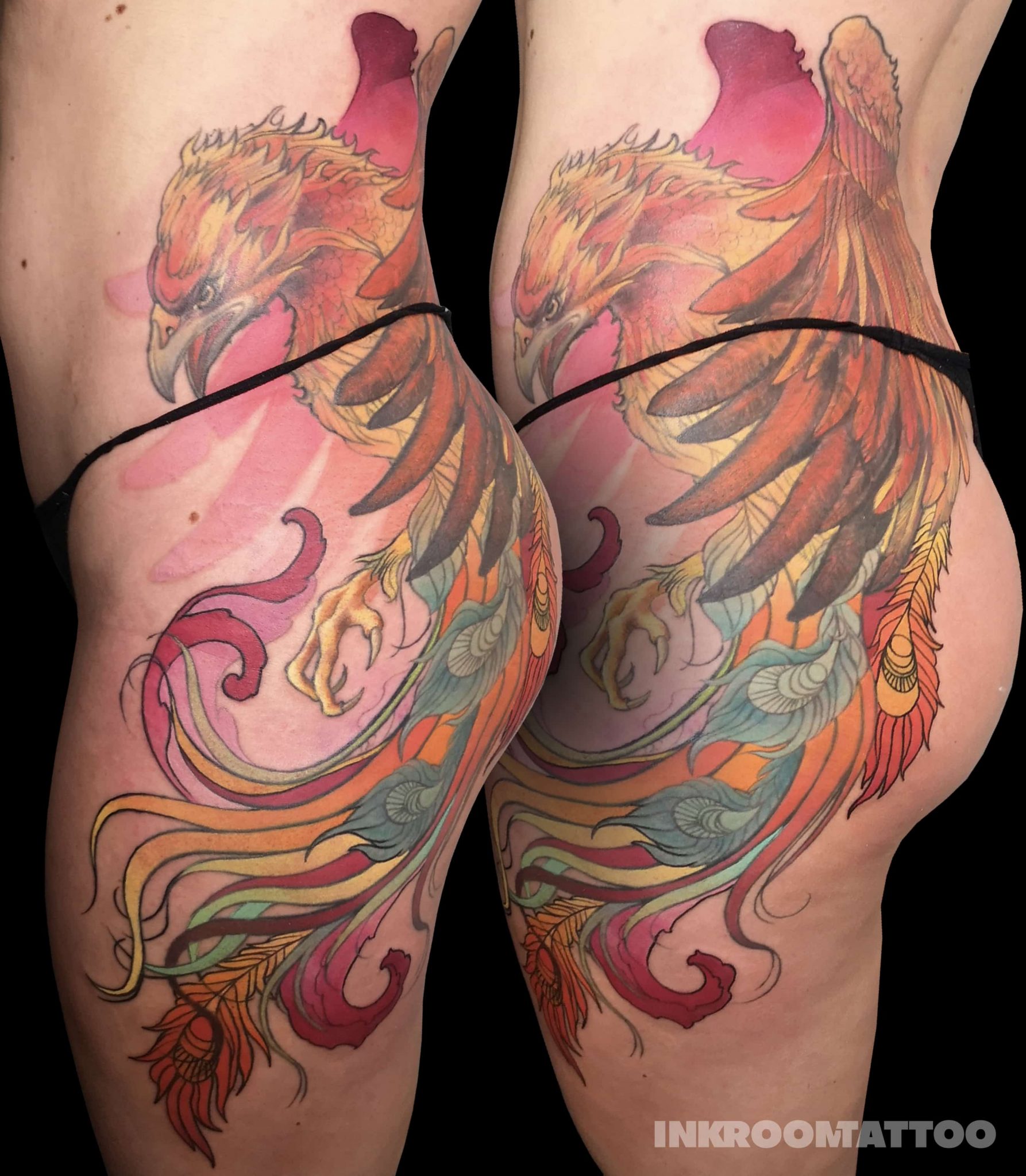
bird-color-tattoo-bori-falvay-budapest-budapesttattoo-berlin-berlintattoo-inkroomtattoo.jpg

If skin could talk, in January it would say:

"Now I have time to tell you who I am."

Contact INKROOM TATTOO

Getting a tattoo at a festival? Only do it if you know these 7 things!

Why is getting tattooed at a festival so tempting?

It’s a hot summer day, your favourite band is playing, your friends are with you, and the vibe is electric – festival energy is one of the most dangerous motivators. Making the decision to get a tattoo on the spot is super tempting. But don’t forget: ink stays forever, the concert lasts a few hours. Most impulsive festival tattoos end in regret.

1. Don’t get tattooed drunk – and not just for legal reasons

Alcohol and decision-making: a bad match

Alcohol messes with your coordination and your judgment. Most reputable tattoo studios won’t tattoo someone who's drunk, and for good reason: you might wake up with something absurd, low quality or just plain random on your body.

Your body reacts differently too

Alcohol thins your blood, which can make you bleed more during the session, affecting the quality of the final result. Healing takes longer, and colours may appear faded.

104221072_755991228477058_818691585311638050_n.jpg

2. Check hygiene conditions – a tent is not a studio

A sterile environment is non-negotiable

A festival tattoo tent can’t match the cleanliness and safety of a professional studio. Dust, sweat, mud, crowds – all enemies of a fresh tattoo.

Infection risks post-tattoo

A fresh tattoo is an open wound. If you sweat on it, touch it with dirty hands, or collapse into a dusty tent mattress, it can easily become infected. This not only ruins the tattoo but can also lead to serious medical complications.

3. Sunshine, UV rays and tattoos – not a good combo

What happens when you expose a new tattoo to the sun?

Fresh tattoos are sensitive, wounded and prone to inflammation. If exposed to sunlight, you can burn it, damaging the design. UV rays can oxidise the fresh ink and cause fading.

Sunscreen won’t help

Many assume sunscreen will protect their new ink. Bad idea: you shouldn’t apply sunscreen to a fresh tattoo! It can irritate the skin further and increase the risk of infection.

4. Healing time doesn’t fit with the festival lifestyle

Sweat, dust, water – the enemies of healing

After getting tattooed, your skin needs at least 2–3 weeks of proper care – no moisture, no dirt, no friction. But at a festival?

  • You’re sweating daily.

  • People constantly bump into you.

  • There's dust, beer and smoke in the air.

  • And if you hit the showers or swim? Game over.

Scarring risk increases

Poor aftercare can lead to infection, smudged lines, and ultimately a nasty scar instead of a cool tattoo.

5. Don’t choose a design on the spot – sleep on it

The "I want a memory" trap

One of the worst ideas: inking a permanent design just to capture a fleeting vibe. That slogan, band logo or date might be your whole world now – but in a year? Completely meaningless.

Laser removal? Painful, pricey and not always perfect

Getting a tattoo removed can cost hundreds of pounds and may still leave traces. So take your time – better to wait a week than regret it for years.

6. Check the tattoo artist’s portfolio – no proof, no needle

Not everyone with a machine is a pro

At festivals, many artists are beginners or hobbyists. If there’s no clear portfolio, just a few Instagram stories, walk away. Your body isn’t a sketchpad.

Ask for both fresh and healed examples

A legit artist will show:

  • Fresh tattoos (right after they’re done),

  • And healed ones (after 1–2 months).

Filtered Instagram shots don’t count.

7. If you must, plan it smart – make it intentional

If you’re dead set on getting inked at a festival, do it like this:

  • Go sober and well-rested.

  • Bring your own clean towel, sterile wrap, and aftercare lotion.

  • Research the artist online in advance.

  • Pick a small design, not a full dragon backpiece.

  • Ensure you can leave soon after to rest and recover.

Even better: plan the tattoo for after the festival

Get inspired by the vibe, then book a proper session in a clean, professional studio a few days later. That’s a win-win.

Tattoos at festivals? Only if you’re smart about it!

Festival tattoos don’t have to be a disaster – but they should never be careless. Know what you’re signing up for, and don’t let the moment overshadow your future. A tattoo can be a forever memory – or a forever mistake. 

Is it safe to get a tattoo in summer? – What you need to know before getting inked?

Why is this question relevant in summer?

The question of getting a tattoo in summer pops up every year – especially during festival season, holidays, and spontaneous adventures. But is it really a good idea to go under the needle during the hottest months? The answer isn’t black and white. Yes, you can get tattooed in summer, but it requires extra attention – particularly with healing and hygiene.

Your skin behaves differently in the heat

Sweat and healing don’t mix well

Your skin sweats more in summer, creating a less-than-ideal environment for healing tattoos. The salts and bacteria in sweat can irritate the wound, slow healing, and even cause infections.

Sunlight – Your tattoo’s worst enemy

Fresh tattoos and UV exposure do not mix. The sun’s rays can fade your design, cause colours to blur, and mess with the healing process. This is particularly important with colourful tattoos.

190046828_989890008420511_951389648137157360_n.jpg

Tattoo aftercare in summer – Level up your routine

Avoid the Sun Like a Vampire Avoids Garlic

Stay out of direct sunlight for at least 2–4 weeks. Cover your tattoo with loose cotton clothing or UV-protective bandages if you must go outside. Sunscreen? Only after full healing.

Swimming pools, beaches, and saunas? A big No

Chlorinated pools, seawater, and public baths are breeding grounds for bacteria. Don’t soak your fresh ink – even if you're melting. Too much water can wash out the ink, blur the lines, or cause patchiness.

Sweat = Ink Killer?

Heavy workouts in hot weather cause excessive sweating, which can lead to irritation and distorted tattoo lines. If you get inked in summer, consider cutting back on workouts for the first couple of weeks.

Best designs and placement for summer tattoos

Go for Discreet, Easy-to-Cover Areas

Choose areas that are easy to cover, such as shoulders, back, or chest. Avoid high-friction or sweaty spots like knees, armpits, or palms.

Smaller Designs = Faster Healing

Minimalist tattoos are trendy and heal faster. Perfect if you want a small piece before a holiday – assuming you allow enough time to heal before you go.

What tattoo artists say about summer ink

From a Pro Perspective: Yes, But Be Smart

Most tattoo artists are not against summer sessions, but they do emphasise the importance of dedicated aftercare. Some studios even offer special summer aftercare kits.

Before or After Your Holiday?

The consensus: go after your holiday. If you’ve already paid for a trip to Croatia, don’t show up with a fresh tattoo – unless you want to come back with a skin infection and smeared colours.

Ideal times to get inked in summer

Early June or Mid-September – The Sweet Spot

Early summer and late summer are ideal. It's not as scorching, there are fewer crowds, and you can better control your healing environment.

Pros and cons of getting a tattoo in summer

Pros Cons
More free time and easier appointment booking Sweat, UV exposure, infection risk
Summer vibes, festival inspiration Slower healing, more attention needed
Loose clothing helps skin breathe No sunbathing or swimming allowed

How to prepare for a summer tattoo?

Before: Hydration and Avoiding Sunburn

Make sure your skin is healthy, hydrated, and not sunburnt. If you're tanned or peeling, many artists will refuse to tattoo you – and rightly so.

After: Extra Care in a Cool Environment

Keep your tattoo clean, lightly moisturised, and protected with breathable clothing. Avoid hot showers, sunshine, the beach, and tight clothes. No scratching or picking!

When not to get a tattoo in summer

  • If you're about to go on a tropical trip

  • If you’re prone to infections

  • If you sweat heavily or train daily

  • If you can’t commit to at least 2 weeks of extra care

So, should you get inked in summer?

The answer: only if you’re careful. A well-timed, properly executed and carefully healed summer tattoo can be just as beautiful and long-lasting as one done any other time of year. But if you can’t stick to the rules, wait until September.


Pro Tip: Don’t go all in with a full sleeve as your summer debut. Start small, see how your body heals in heat, and then build from there.

Cover-up, baby! When celebs turn regrets into fresh ink instead of laser sessions

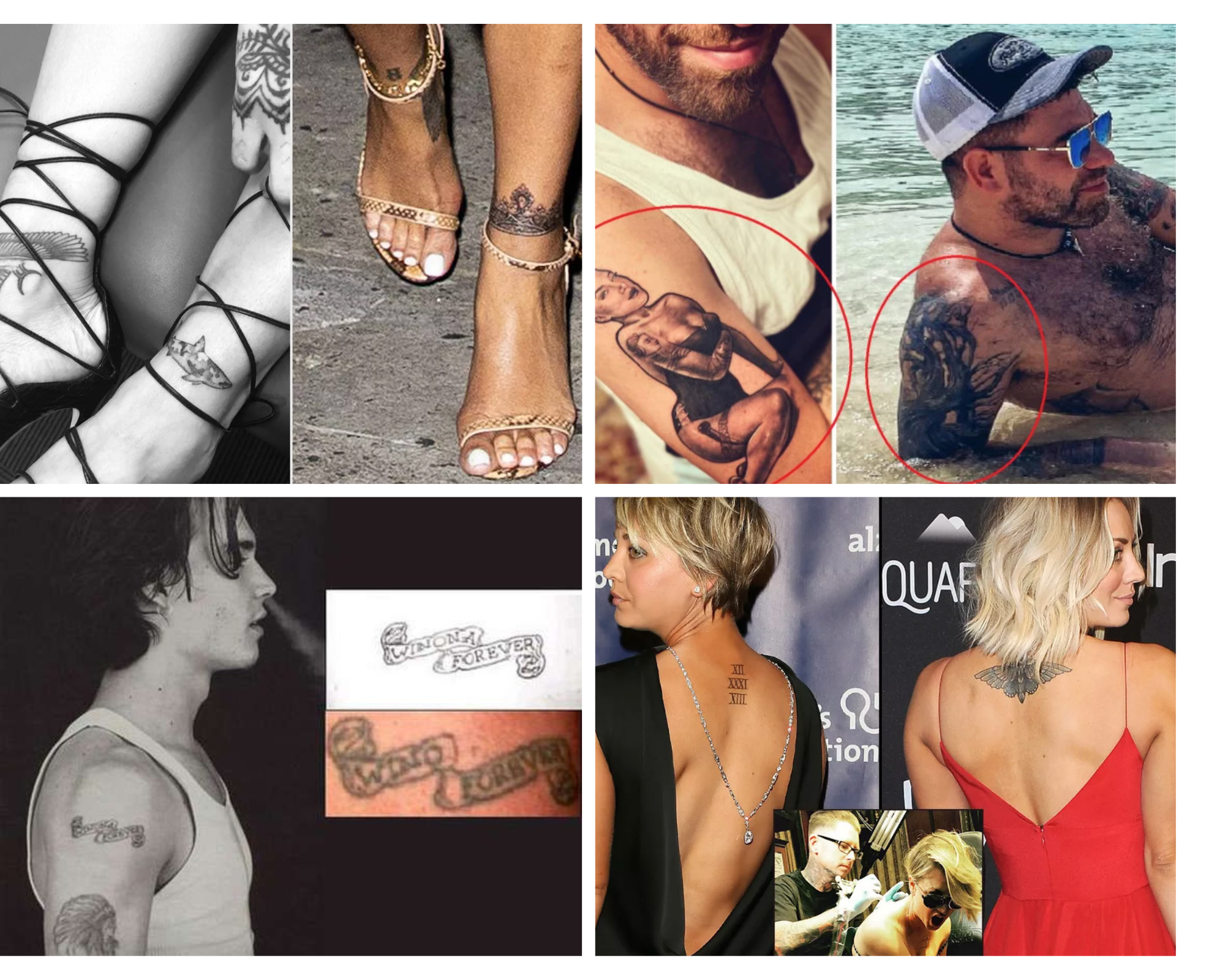
A cover-up tattoo is more than just a visual redesign. It’s a conscious decision to close a chapter, redefine oneself, and often, to feel liberated. In the world of celebrities—where every tattoo is practically a statement—cover-ups have become a go-to method for reinvention. And sometimes... for damage control.

black_and_white_minimalist_mood_photo_collage_1.png

képek forrása: Instagram, Pinterest

Famous Celebrity Cover-Up Stories

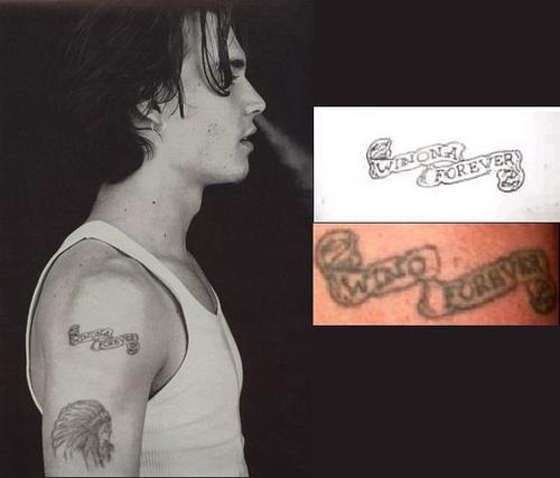
Johnny Depp – From ‘Winona Forever’ to ‘Wino Forever’

Johnny Depp’s legendary “Winona Forever” ink wasn’t just a love note—it was a symbol of an era. But when the romance with Winona Ryder ended, the tattoo lost its relevance. Rather than removing it, Depp creatively transformed it into “Wino Forever”, turning heartbreak into humour. A brilliant example of how the past can be rewritten—literally.

d3fdf98b717d1a88f94d79bf0cf32a19.jpg

Rihanna – From Shark to Queen

Rihanna and Drake once shared matching shark tattoos. After the breakup, Rihanna gracefully covered hers with a crown—a symbol of strength, independence, and a fresh start. This kind of visual rebranding is a staple in celeb ink culture.

ke_pernyo_foto_2025-07-17_14_04_11.png

Kaley Cuoco – Wedding Date to Butterfly

The Big Bang Theory star Kaley Cuoco had her wedding date inked in Roman numerals. After her divorce, that tattoo became more awkward than affectionate. Her solution? A large, intricate butterfly that not only erased the past but screamed: rebirth, freedom, and fabulousness.

ke_pernyo_foto_2025-07-17_14_23_49.png

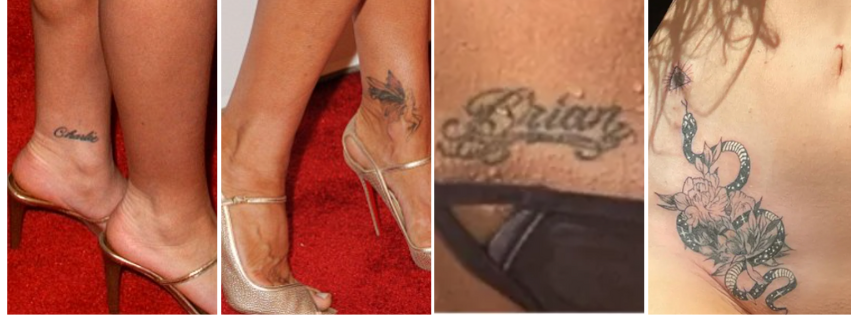
Denise Richards – Goodbye Charlie, Hello Fairy

After her split from Charlie Sheen, Denise Richards had no love left for the “Charlie” text tattooed on her ankle. She covered it with a fairy, adding a whimsical, independent flair to her skin.

beige_orange_autumn_photo_collage_fall_mood_facebook_cover_2.png

Megan Fox – Name Out, Serpent In

Once married to Brian Austin Green, Megan Fox had his name tattooed on her hip. Now? It's been transformed into a snake and floral motif that speaks of power, femininity, and transformation.

How Cover-Up Tattoos Actually Work

Designing a Cover-Up: More Than Just Doodling

A successful cover-up starts with carefully analysing the original tattoo. Tattoo artists consider the:

  • Colours

  • Placement

  • Lines and shading

  • Age and fading

From this, they develop a darker, denser, or more detailed design to mask the old ink completely.

Colour Matters: Dark, Darker, Deepest

Common shades for cover-ups include:

  • Black (most used)

  • Navy blue

  • Dark red

  • Forest green

These hues help obliterate old lines, especially if the original ink has already faded over time.

Details Distract – And That’s the Point

Complex tattoos like mandalas, floral compositions, or animal motifs don’t just look great—they’re distraction pros. The eye no longer searches for the old design because it’s too busy admiring the new one.

Pain and Healing: The Skin’s Second Chance

Since cover-ups go over previously tattooed skin, they can be more painful, and healing may take longer—especially with dense shading and larger areas.

Trendy Cover-Ups and the Meanings Behind Them

Celebrity Original Tattoo Cover-Up Design Symbolic Shift
Johnny Depp Winona Forever Wino Forever Irony and detachment
Rihanna Shark Crown Strength and independence
Kaley Cuoco Wedding date Butterfly Freedom and rebirth
Denise Richards Charlie Fairy Personal identity
Megan Fox Brian Austin Green Snake & Flowers Feminine power, transformation

Krausz Gábor and the Tattoo Dilemma – A Hungarian Reality Show Moment

Hungarian celebrity chef Krausz Gábor once publicly declared his love for pop star Tóth Gabi by tattooing her image on his arm. Following their divorce, the big question emerged: What will he do with the tattoo?

He covered his tattoo of Gábor Krausz's ex with a tree of life motif.

The tree of life is one of the most ancient and powerful symbols, present in almost every culture. Whether it's a spiritual quest, harmony of body and soul, or just a beautiful tattoo motif, the tree of life always carries a deeper message.

ke_pernyo_foto_2025-07-17_13_50_42.png

The Tree of Life is a universal symbol that connects heaven, earth and the underworld - or in other words: the spiritual, the physical and the energetic. Its roots reach deep into the earth, its trunk is stable and its branches reach skywards. This three-dimensional connection symbolizes the unity of life.


Cover-Ups: A Visual Rewrite of the Past

A tattoo cover-up isn’t denial. It’s a visual narrative reboot. What a celeb hides can be just as telling as what they once proudly displayed.

Cover-Up = Closure, Expression, Fresh Start, Evolution.

Do it right, and you don’t just reclaim your skin—you retell your story in bold, beautiful ink.

What is a Walk-In Tattoo? What Are Your Options in Budapest?

What Exactly is a Walk-In Tattoo?

A walk-in tattoo is simple: you walk into a tattoo studio, pick a design, and get inked the same day — no appointment needed. This concept is perfect for those who:

  • Want a tattoo on a spur of the moment,

  • Don’t want to wait weeks or months,

  • Prefer smaller, quick designs,

  • Or simply enjoy making spontaneous decisions.

The concept of walk-in tattoos in Budapest is becoming increasingly popular. You don’t need to go back and forth with the artist over messages, no scheduling hassle — you just walk in and get it done.

img_6146.jpeg

What Types of Tattoos Are Suitable for Walk-In?

Small to Medium Designs

Walk-in tattoos are typically small, simple designs, such as:

  • Minimalist symbols

  • Quotes or lettering

  • Flowers, animals, iconic shapes

  • Geometric patterns

  • Matching tattoos for friends or couples

These tattoos usually take between 30 minutes to 2 hours to complete.

Complex Designs? Book an Appointment Instead!

If you're thinking about a large, detailed, multi-session tattoo — like a sleeve, back piece, or full arm — that doesn’t fall under walk-in. These require prior consultation, design planning, and a scheduled appointment.

Where to Get Walk-In Tattoos in Budapest?

1. Inkroom Tattoo Budapest – District V

One of the coolest walk-in tattoo spots in Budapest. Clean, modern design, professional artists who not only tattoo beautifully but help with design choices too.

  • Prices:
    18,000 HUF (about €35) for the first 30 minutes, then 9,000 HUF (€17) per extra 30 minutes.

  • Bonus: Free aftercare cream for walk-in customers.

img_6115.jpeg

2. Dark Art Tattoo – Erzsébetváros

A darker, alternative-style studio that regularly offers walk-in slots.

3. Magic Tattoo – Terézváros

Young, dynamic vibe. Perfect for quick, small tattoos without the wait.

4. Budapest Tattoo Collective – District VII

They frequently host walk-in days, where multiple artists are ready to work.

5. Rooklet Tattoo – Újlipótváros

Specializing in minimalist designs. Ideal if you want something clean and subtle.

Why Do People Choose Walk-In Tattoos?

  • Spontaneity: No waiting, when inspiration hits, get it done.

  • Flexibility: No appointment required.

  • Fast Solution: Small designs are usually done in under an hour.

  • Transparent Pricing: Walk-in prices are clear and straightforward.

How to Prepare for a Walk-In Tattoo?

1. Have an Idea Ready!

While artists can help, it's better if you come with a clear concept.

2. Arrive on Time!

Even walk-ins might require some waiting, especially on weekends.

3. Don’t Come Hungry!

Tattooing puts stress on the body. Eat beforehand.

4. Rest Well!

Being tired makes the process harder on you.

5. Skip Alcohol!

Alcohol thins your blood, which affects tattoo quality.

How Much Does a Walk-In Tattoo Cost in Budapest?

Typically:

  • 18,000–25,000 HUF (€35–€65) for the first 30 minutes.

  • Then 9,000–15,000 HUF (€17–€39) per extra 30 minutes.

A simple text or tiny tattoo usually costs around 20,000–30,000 HUF, while a medium design is about 40,000–60,000 HUF.

img_3908.jpeg

Most Popular Walk-In Tattoo Styles in Budapest

  • Minimalist tattoos

  • Fineline (thin line) designs

  • Geometric tattoos

  • Japanese symbols

  • Lettering or quotes

  • Vintage flash designs

Tattoo Aftercare – How to Take Care of a Walk-In Tattoo?

  • Keep it clean: Wash with lukewarm water and gentle soap several times a day.

  • Use aftercare cream: Most studios provide it for free.

  • Don’t scratch: Let the scab dry and fall off naturally.

  • Avoid sun and pools: Stay away for at least 2 weeks.

  • No soaking: Showers are fine, but skip baths, saunas, and hot tubs.

Walk-In Tattoo Pros & Cons

Pros Cons
Instant tattoo, no wait You might have to wait if it's busy
No appointment needed Not for large, detailed pieces
Fast, flexible process Limited time and design complexity
Affordable, transparent pricing Less pre-consultation and detailed planning

Is a Walk-In Tattoo Worth It in Budapest?

If you're looking for something spontaneous, flexible, and quick, walk-in tattoo studios in Budapest are absolutely the way to go. Whether it's a small symbol, a witty quote, or a meaningful mini design, you'll find highly skilled artists ready to help you express yourself.

If you want guaranteed quality, check out Inkroom Tattoo Budapest in District V — you won’t regret it.

My buddy will do it cheaper... or why not go for the cheapest option if you want to get a tattoo!

Tattoos are not burgers: why not save money?


A tattoo is not a returnable product, it can't be replaced if you don't like it, and it's certainly not a quick service that a random dude at the kitchen table can do. The "my mate will do it cheaper" mentality most often ends in regret, a cover-up tattoo or laser removal, which costs ten times more than the original design itself would have cost in a professional salon.

75233554_2440149116240438_1689793563363115008_n.jpg

A tattoo is forever (or at least a very long time)
Your skin is not a proving ground


When an acquaintance offers to "do a home tattoo" for "just a grand," it's worth asking yourself: do you really want to make your own skin the scene of a DIY adventure? Quality, not price, should dominate a decision that will last a lifetime.

Professional tattooist ≠ DIY dude


A professional tattoo artist spends years learning, practicing and developing his or her own style and technique. The best work with hygiene certificates, sterile equipment, premium inks, while consulting with you to make the design truly about you. The majority of those who try at home, on the other hand, "learn" from internet tutorials and have no idea about anatomical placement, line thicknesses or colour bonding.

The most common problems with cheap tattoos


1. Infection - no, it doesn't just happen in horror movies


Tattoos done under non-sterile conditions can lead to serious infections. Hepatitis, staph, skin infections? These are not exaggerations, but real consequences that can be caused by improper disinfection and poor hygiene.

2. Bad pattern - the age of the "just as good" designer is over


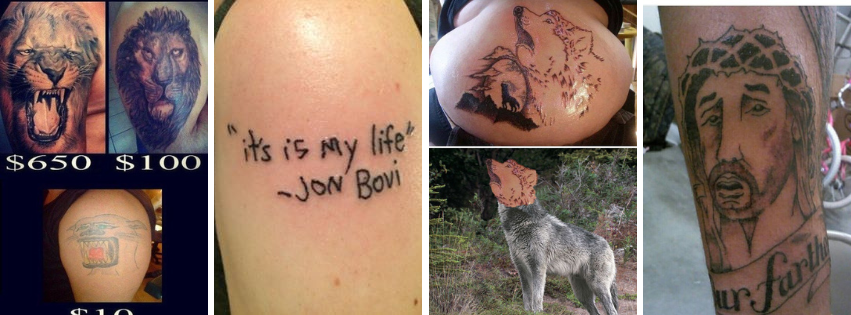
There are many groups of so-called "cringe tattoos", the result of cheap attempts. Skewed lines, asymmetrical patterns, blurred contours. And of course there's the classic: "Angel" instead of "Agnel" on your arm.

3. Cover tattoo = double the cost, double the pain


Most flawed tattoos end up with a cover-up, which only a highly skilled professional can aesthetically fix. Not only is it more expensive, it's often more painful and your options are limited as the original pattern frames the repair.

What do you get in return for the price at a professional salon?

Quality materials


A reliable tattoo parlour will use only medical-grade inks, sterile needles, rubber gloves and disposable equipment. No dogged Chinese dyes, no recycled needles.

A competent, experienced artist


Professional tattoo artists have years of work, learning and experience behind them. They know the layers of the skin, working not too deep, not too shallow, but exactly where it's needed. This guarantees durability, colour fidelity and aesthetics.

Advice and aftercare


The professional not only does the job, but guides you through the whole process: helps you choose the sample, position the body, explains the aftercare and even takes you back for a follow-up. A buddy? He'll probably just say 'don't mess with it'.

The lesson: what is cheap at first can cost a lot more later - in money, time and confidence.

Why is it not worth "getting it right"?


1. Lack of reliability


The familiar may be enthusiastic today, but unavailable tomorrow. What if there's a problem with the tattoo? But a professional salon will guarantee the work.

2. Legality issues


An official tattoo parlour has licences, is a registered business and is regulated. An acquaintance in the apartment? Working in the black, no liability.

3. Prestige and self-esteem


Your body is one of your most valuable "possessions". If you deserve quality clothes and good food, you should also choose a premium "design" for your skin - not the cheapest option.

earthy_clean_grid_lifestyle_photography_photo_collage_facebook_cover_480_x_300_ke_ppont_496_x_310_ke_ppont_384_x_240_ke_ppont_576_x_360_ke_ppont_960_x_600_ke_ppont_992_x_620_ke_ppont_768_x_5.png

source of images: Pinterest

What should you look for when choosing a tattoo parlour?


Portfolio: check out their work! The style, detail and elaboration says a lot.

Sterile environment: ask how they disinfect, what tools they use.

Communication: a good tattoo artist listens to you, asks questions, gives advice. They don't just doodle on you.

Reviews, ratings: read other people's experiences - Google, Facebook, Insta.

Your body is not a touchstone - choose only quality tattoos!


Tattooing is an art. And like all art, it takes time, skill and respect. "Dude cheap fixes" rarely work well in the long run. If you really want to please yourself, if you want something that reflects your individuality, don't bargain.

Don't go for the cheapest! Choose the best! Your body deserves it.

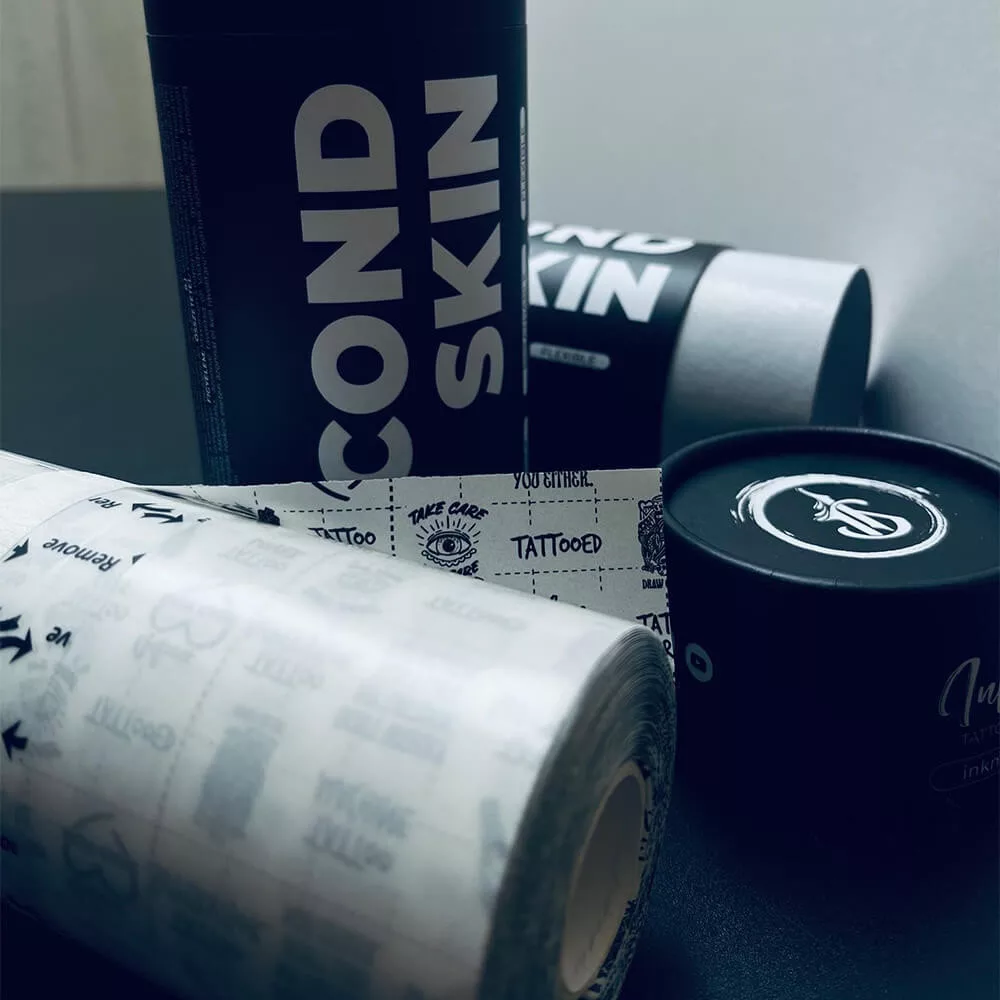
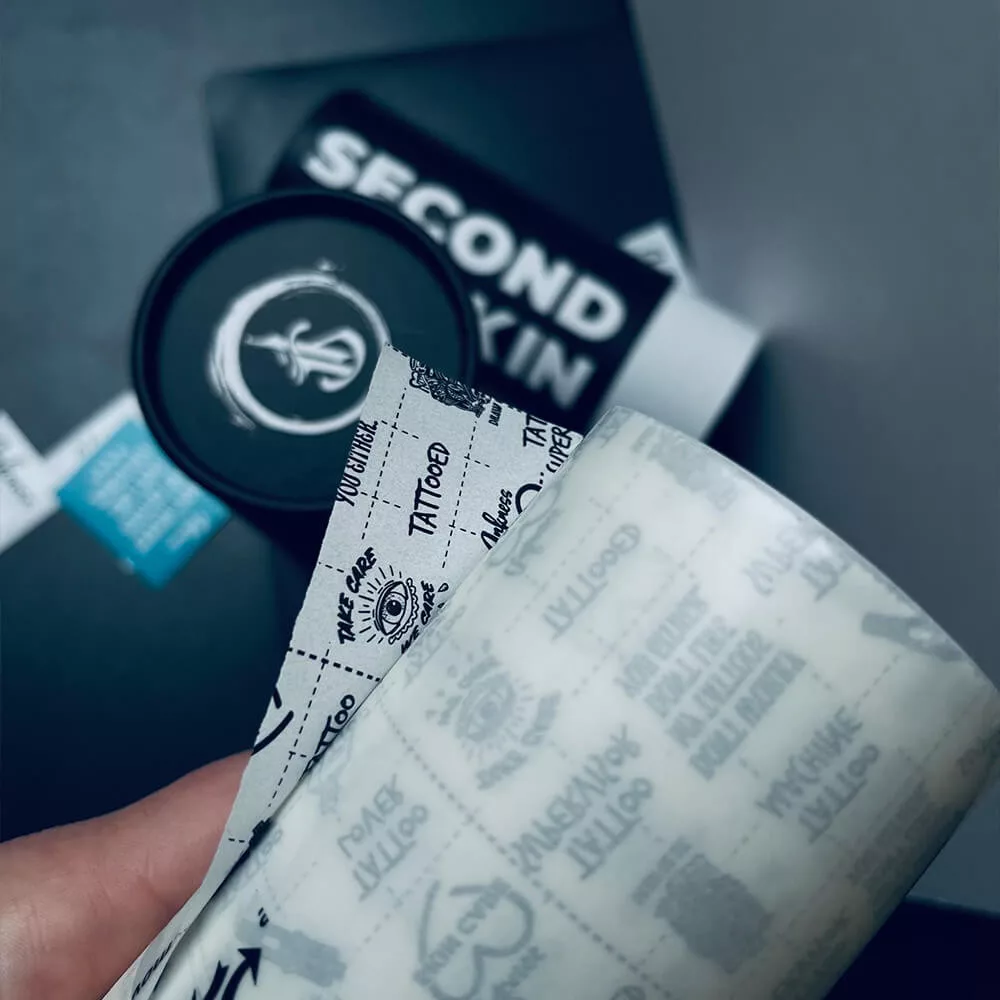
Tattoo aftercare primer part 2. : second skin

Aftercare with second skin


eqp-173_1.webp

The tattoo is covered with a special, breathable, waterproof film that is usually left on the skin for 3-5 days. This protects the tattoo from external contaminants while allowing the skin to breathe.


What you will need during the care, available from any pharmacy:


  • cream for aftercare: Bepanthen cream (wetter consistency)/ointment (greaser consistency)
  • antibacterial soap (fragrance-free, dye-free
  • body lotion


This form of aftercare is used for smaller, linear patterns, when the wound does not bleed so intensely after the tattoo is done. After proper disinfection, we apply a special, transparent, self-adhesive film – this is the second skin.

For the first 3-4 days:

You do not have to worry about the bandage. You can shower with it, but do not soak it. The second skin releases its adhesive ability when you sweat. Do not worry if liquid (plasma, ink, some blood) collects underneath – this is completely normal in the first few days. It is forbidden to pick at these fluid-filled blisters, because this way bacteria can get under them and they can become infected under the foil. If it really bothers you, you can squeeze the fluid out to the edge of the foil. If the fluid has accumulated a lot, it is better to remove the second sikn and perform the aftercare with folpack foil.


  1. Wash your hands thoroughly!
  2. When removing the foil, carefully pull it down towards the skin, not up, as is usually the case with the wax strip. If you do it under lukewarm water, the removal feels less unpleasant.
  3. After removing it, wash the tattoo with antibacterial soap, without soaking it.
  4. Gently blot it with a paper towel, or just let it dry. Do not wipe it with a towel!
  5. Apply a thin layer of Bepanthen for 5-7 days until it peels off.


In about 7-10 days, the tattoo will start to peel, which is unpleasant because it itches. At this time, try not to scratch it with your nails, no matter how much you want to; because scratching vigorously can tear the wound and the pattern will be incomplete. Try stroking, patting, or scratching through clothing. Using a gentle skin scrub on the surface can also provide a pleasant feeling, and calendula cream can be a good solution to relieve itching.


After the 10th day:

When your tattoo has completely peeled off, you will not need Bepanthen, but until its surface is shiny and has not completely healed, moisturize it with the body lotion you used to pre-treat the surface.

 eqp-173.webp

What NOT to do:

  • do not use any other cream than the ones prescribed
  • do not scrape or scratch, the dead skin layer will fall off on its own, just be patient!
  • do not soak it, you can shower, you should even wash it, but do not soak it!
  • sunbathe, go to a solarium, use tanning cream, if you absolutely want to sunbathe, cover up!
  • any kind of bathing, sauna is prohibited for 2-3 weeks
  • do not use sunscreen while the tattoo is fresh


Once it has completely healed, use sunscreen if you are in the sun for a longer period of time to protect the colors and keep them vibrant for a long time!

Tattoo aftercare primer part 1: foil method

Tattoo aftercare is vital to the healing process, as it has a significant impact on the final result of the tattoo, the vibrancy of the colour and the health of the skin. There are several types of aftercare, based on different principles and offering different benefits. In the following articles and in the following articles, I will describe the most common tattoo after-treatment methods, starting with the traditional foil method.

Aftercare with folpack foil

(Szabina's aftercare below)


What you will need during the care, available from any pharmacy:

  • cream for aftercare: Bepanthen cream (wetter consistency)/ointment (greaser consistency)
  • antibacterial soap (unscented, dye-free)
  • Octenisept spray
  • medical adhesive tape
  • folpack foil
  • body lotion


  1. After the tattoo is done, the tattoo artist will clean the skin and cover the fresh tattoo with folpack foil. This will protect the open wound from bacteria, dirt and contact with clothing. From now on, you will have to repeat this process as described.
  2. While the tattoo is fresh, it is important to keep it clean so that nothing gets into it that could cause infection. It is important to always wash your hands before touching it!
  3. Remove the foil a few hours after the tattoo and throw it away!
  4. Wash the tattoo with antibacterial soap, without soaking. Rinse thoroughly, first with lukewarm and then cold water, to help close the pores of the skin.
  5. Gently blot with a paper towel or just let it dry. Do not wipe with a towel!
  6. Spray it evenly with Octenisept spray and let it dry.
  7. Apply a thin layer of Bepanthen and place a clean foil pack on top. Make sure that the inside of the foil is in contact with the tattoo.

 blackandgray-realism-tattoo_1.jpg

The next day:

When it is no longer bleeding or oozing, it is still important to keep the wound clean. Wash it with soap, rinse thoroughly with water, dry it with a paper towel and spray it with Octenisept spray. When it has dried, apply a thin layer of Bepanthen and cover it with a clean plastic foil. Make sure that the inside of the foil is in contact with the tattoo. Change this bandage 2-3 times during the day, so repeat the steps in point 8.

On the third day:

The tattoo will no longer oozing, so the wrap will no longer be needed, instead leave it open so that your skin can breathe. Apply a thin layer of Bepanthen 2-3 times during the day, the goal is to hydrate.


In about 7-10 days, the tattoo will start to peel, which is an unpleasant feeling because it itches. At this time, try not to scratch it with your nails, no matter how much you want to; because scratching vigorously can tear the wound and the pattern will be incomplete. Try stroking, patting, or scratching through clothing. You can also use a gentle skin scrub on the surface, and calendula cream can be a good solution to relieve itching.


After the 10th day:

When your tattoo has completely peeled off, you will not need Bepanthen, but until its surface is shiny and has not completely healed, moisturize it with the body lotion you used to pre-treat the surface.


What NOT to do:

  • do not use any other cream than the ones prescribed
  • do not scrape or scratch, the dead skin layer will fall off on its own, just be patient!
  • do not soak it, you can shower, you should even wash it, but do not soak it!
  • sunbathe, go to a solarium, use tanning cream; if you absolutely must sunbathe, cover it up!
  • any bathing, sauna use is prohibited for 2-3 weeks
  • do not use sunscreen while the tattoo is fresh


Once it is completely healed, use sunscreen when you are in the sun for a longer period of time to protect the colors and keep them vibrant for a long time!


Fixing or Covering Up Botched Tattoos – How to Save What Can Be Saved

Why Do People End Up with Botched Tattoos?

A tattoo is supposed to be a final decision. At least, in theory. But reality is far more complex: a poorly chosen design, an inexperienced tattoo artist, an impulsive decision or even a unique healing reaction of the skin can all lead to damage that seems irreversible. But there is hope – tattoo correction and cover-up have become a distinct art form in today’s tattoo world.

The Most Common Mistakes in Botched Tattoos

Incorrect Proportions and Anatomical Errors

A portrait that looks like it’s winking, or a lion whose face resembles more of a house cat – these kinds of proportion errors are instantly noticeable and ruin the entire piece.

Smudged Lines and Deep Needle Work

Ink that’s been pushed too deep is not only more painful but can also leave permanent scarring. Smudged outlines often resemble a bad marker drawing rather than a professional tattoo.

Misspelled Texts and Grammatical Mistakes

What was meant to be a meaningful quote becomes a nightmare when you see something like: "Halgass a szívedre." (instead of "Hallgass...") permanently etched on your skin.

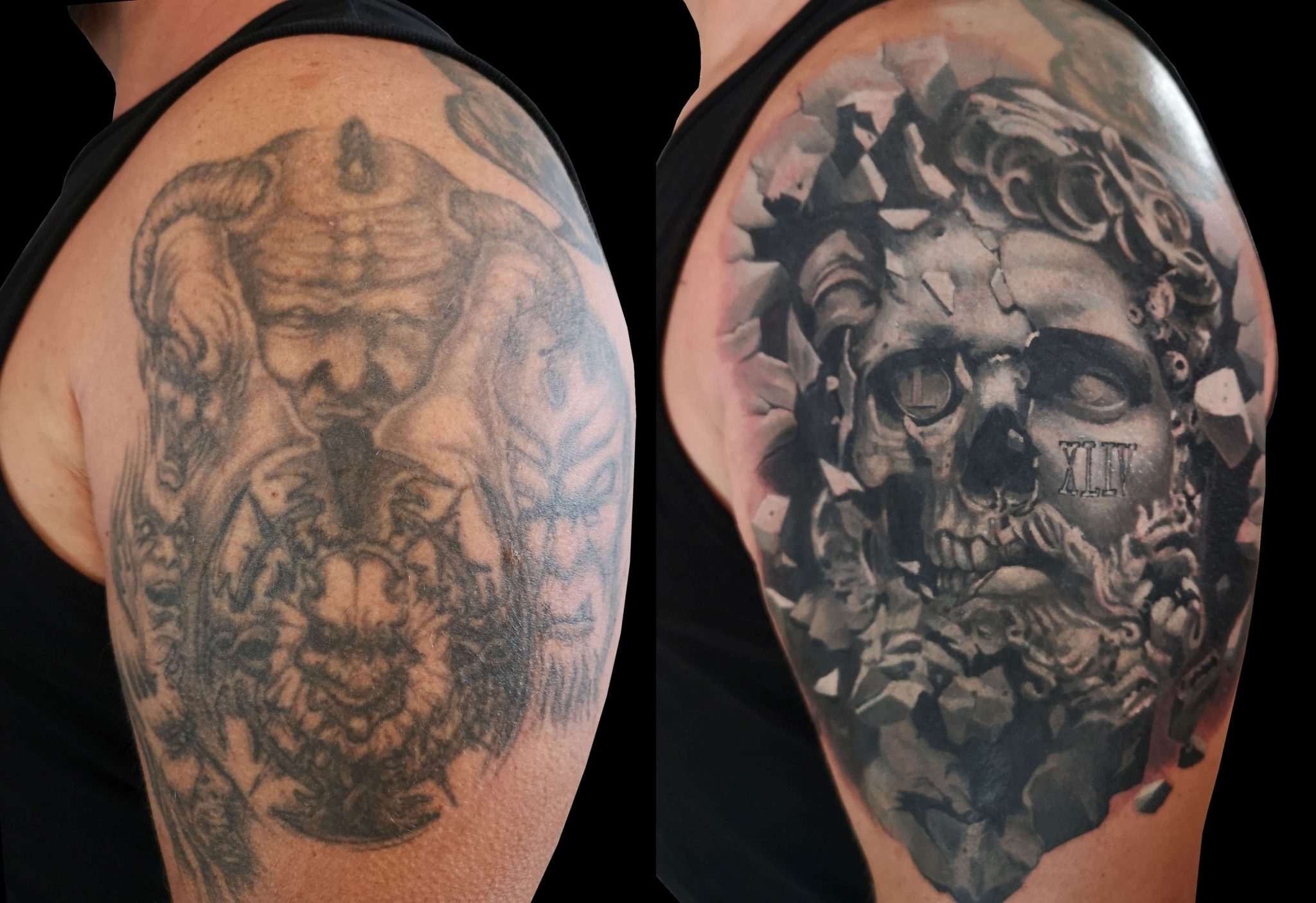
01_fonix_elrontott-min-scaled_1.jpg

01_fonix_javitott-min-1786x2048_1.jpg

Tattoo Cover-Up or Correction – Which Is the Right Choice?

Correction – When the Original Is Still Salvageable

If the design itself is solid, and only the execution went wrong (e.g. faint lines, slight misalignments in small details), a professional artist can breathe new life into the work with retouching and shading.

Cover-Up – When It’s Time for a Clean Slate

For more serious issues, embarrassing symbols, or – let’s face it – an ex’s name, a cover-up is often the best solution. And it’s not just about drawing over the old design, but rather a complete re-imagining, where the new art builds upon the shadows of the old one.

What Makes a Good Cover-Up Tattoo?

Bold Composition

To effectively hide the old ink, you’ll need deeper colours, stronger contrasts and detailed textures. A good cover-up is not small or subtle – it’s bold, creative, and artistic.

Custom Design

A great tattoo artist doesn’t rely on generic templates. They design the new tattoo around the old one, taking into account skin tone, previous design elements, body anatomy and the client’s personal story.

The Cover-Up or Correction Process Step by Step

1. Consultation

This is the most crucial first step. The artist analyses the existing tattoo, determines the extent of the damage, and honestly tells you what can – and can’t – be done.

2. Design Planning

This is where the new design is born – not only visually appealing but also technically in harmony with the old one. A good cover-up isn’t just forced masking, but a complete, standalone work of art.

3. Execution of the Tattoo

Cover-ups and corrections often involve more pain than a fresh tattoo, as they typically require working in thicker layers and multiple passes over the same area.

4. Healing and Aftercare

Extra care is essential during healing – cleaning and moisturising are key, especially where the old and new layers meet, as complications are more likely in these areas.

cover-min-2048x1405_1.jpg

Best Tattoo Styles for Cover-Ups

Blackwork

Strong black designs with bold contrasts – perfect for covering large surfaces.

Neo-Traditional and New School

Colourful styles with bold outlines that can embrace and utilise the tones of the old ink.

Japanese Style

Highly detailed with flowing lines – excellent for hiding flawed tattoos within complex compositions.

Things to Keep in Mind Before Getting a Cover-Up

  • Don’t expect miracles in an hour – designing and executing a cover-up takes time and effort.

  • Don’t try to cover black with white – ink doesn't work like paint. Dark ink in the deeper skin layers will nearly always "show through".

  • Be open to new styles – your old tattoo might require a new style you hadn’t considered originally.

How to Choose the Right Tattoo Artist for a Cover-Up

  • Ask for references: look at the artist’s previous cover-up work. A good cover-up should look natural – not like it’s hiding something.

  • Don’t base your choice on price: correcting a bad tattoo might cost more upfront, but it’ll save you money in the long run, as you won’t need repeated fixes.

  • Communication is everything: a professional artist will be honest and upfront, and won’t take on what’s impossible.

Laser Removal – Alternative or Pre-Treatment?

In some cases, partial or full laser fading of the old tattoo can improve the results of a future cover-up. It’s more painful, expensive, and time-consuming, but for particularly dark or detailed tattoos, it may be worth considering.

There’s No Such Thing as a Hopeless Tattoo – Only a Poor Attitude

A botched tattoo is not the end of the world. It can become a lesson, a rebirth, even a new personal masterpiece. The key lies in patience, the right artist, and refusing to compromise when it comes to your self-expression.

süti beállítások módosítása