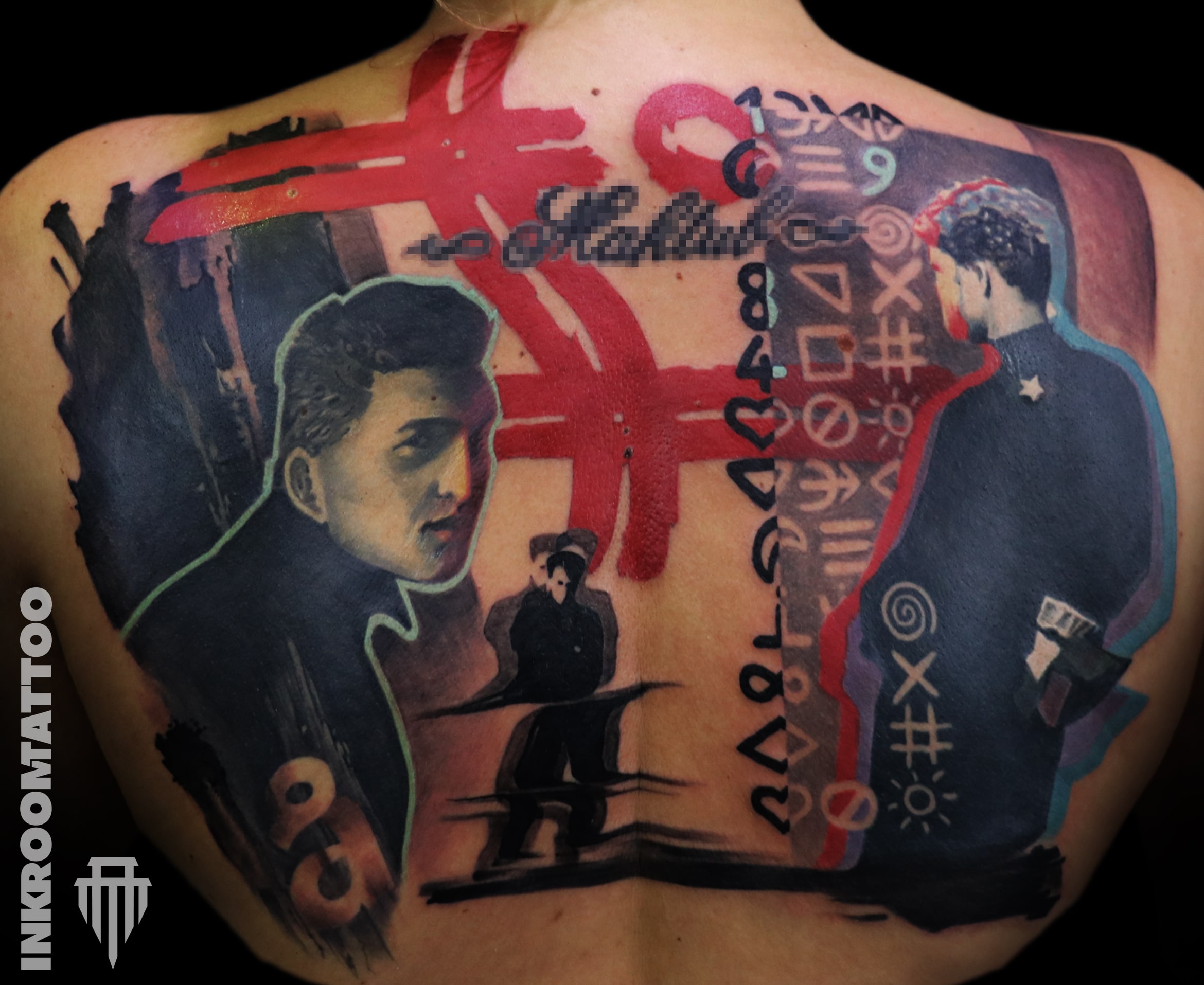
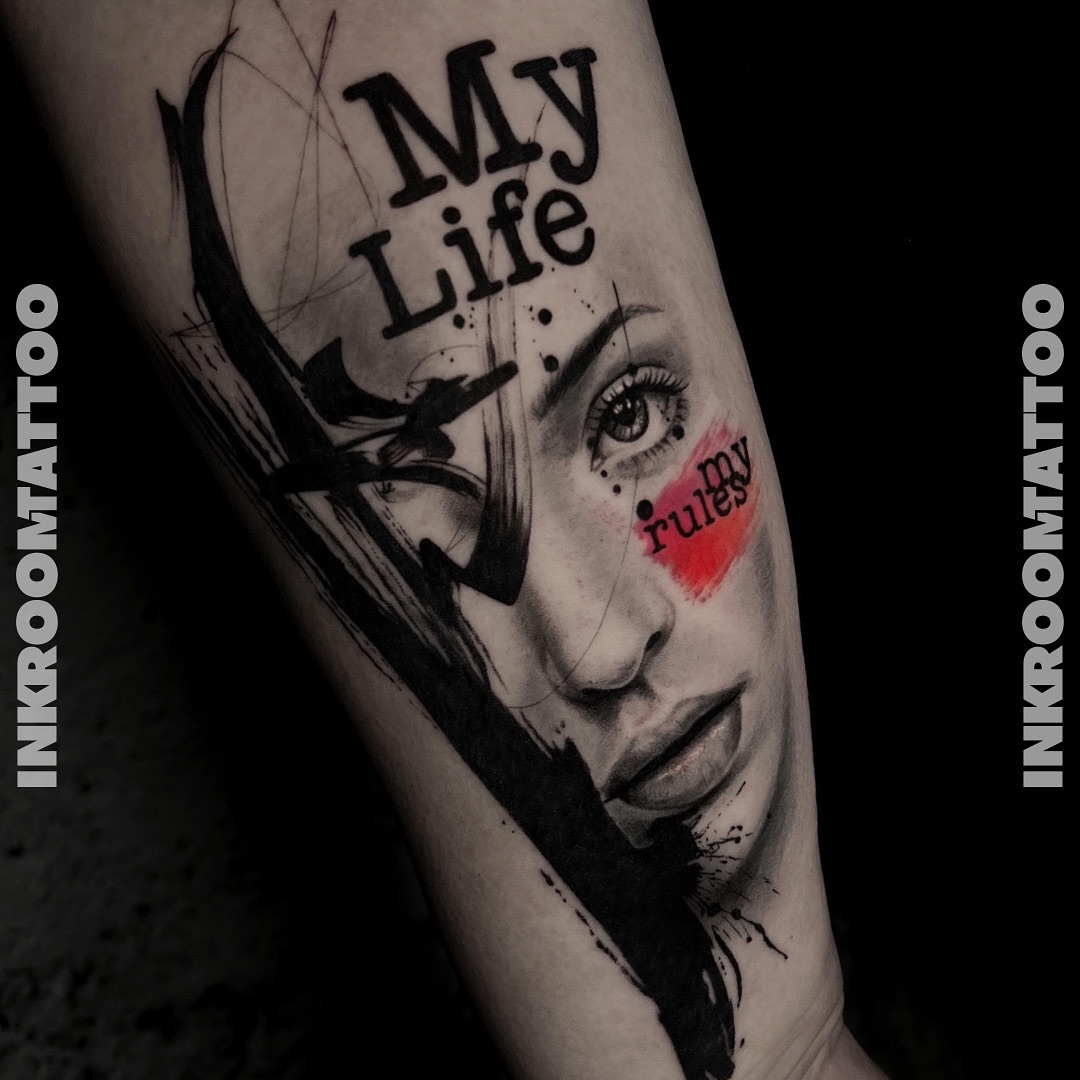
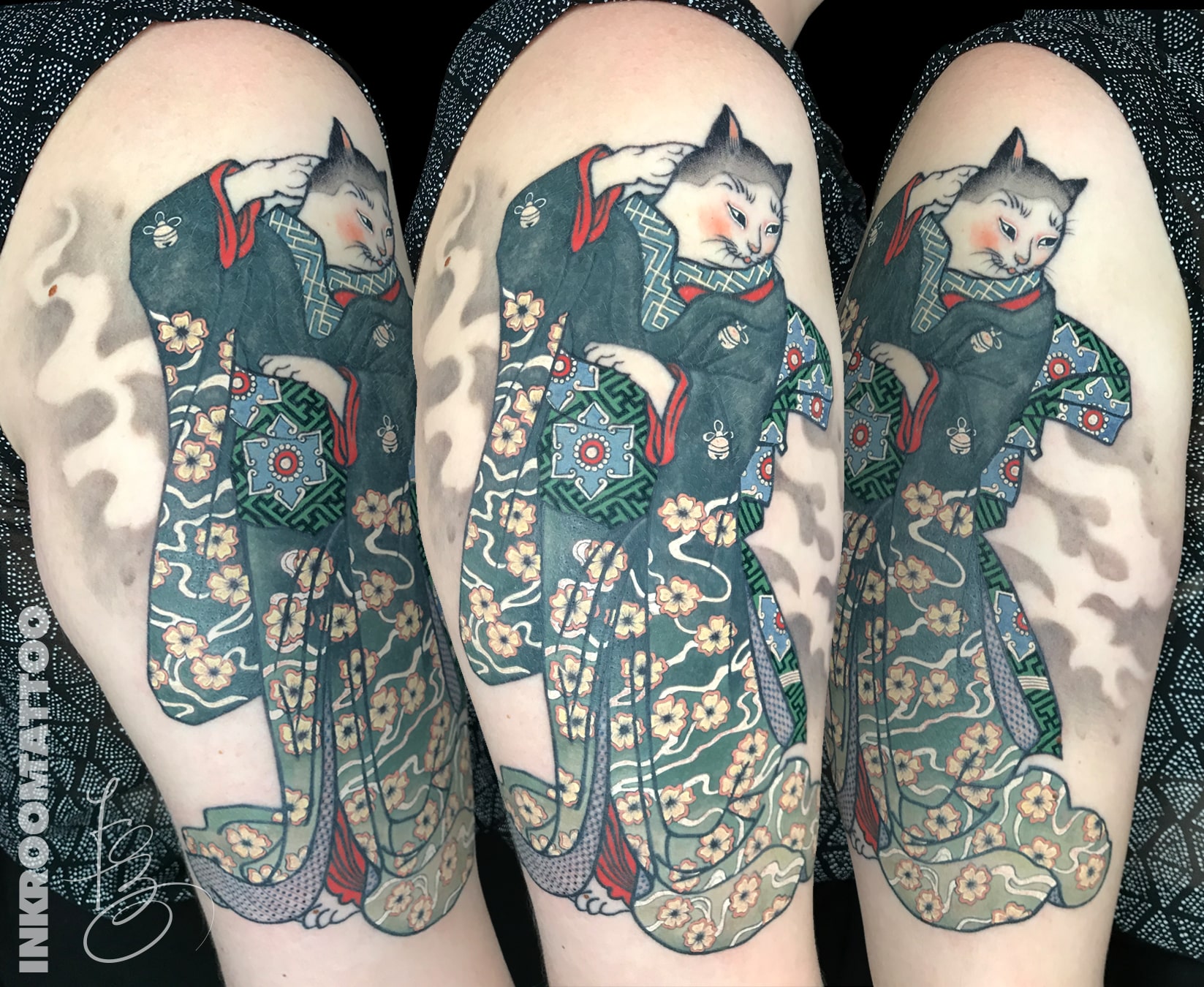
Budapest is not just famed for its stunning architecture and vibrant nightlife; it's also home to some of the most talented tattoo artists in Europe. Whether you're a seasoned ink lover or considering your very first tattoo, the city offers a rich tapestry of styles and studios that cater to every taste. From intricate watercolor designs to bold traditional tattoos, Budapest's tattoo studios are a haven for creativity and self-expression. In this ultimate guide, we will navigate through the best tattoo studios in Budapest, highlighting their unique specialties, skilled artists, and the inviting atmospheres that set them apart. Join us as we explore the vibrant world of ink and art in Budapest, ensuring your next tattoo journey is as memorable as the city itself. Get ready to uncover the perfect spot where your skin can become a canvas for unforgettable artistry!
The Evolution of Tattooing in Hungary
Tattooing in Hungary has come a long way from its early days of stigmatization to becoming a celebrated form of art. Historically, tattoos were often associated with rebellion and non-conformity, but over the past few decades, they have gained widespread acceptance and respect. This cultural shift is evident in Budapest, where tattoo studios have flourished and artists are now recognized for their exceptional skill and creativity. The evolution of tattooing in Hungary mirrors a broader global trend where body art has transitioned from the fringes to the mainstream, embraced by people from all walks of life.
The influence of Western tattoo culture began to permeate Hungary in the late 20th century, bringing with it new styles and techniques. As international travel became more accessible, Hungarian tattoo artists started to gain exposure to global trends, incorporating diverse elements into their work. This fusion of styles has created a unique tattoo scene in Budapest, where traditional Hungarian motifs coexist with contemporary designs, resulting in a rich and eclectic tapestry of body art.
Today, Budapest is home to a thriving community of tattoo artists who are pushing the boundaries of the medium. The city's tattoo studios not only offer a wide range of styles but also prioritize hygiene and professionalism, ensuring that clients receive the highest quality of service. This evolution has been driven by a growing appreciation for tattoos as a legitimate and respected form of self-expression. Whether you're looking for a minimalist design or a full sleeve, Budapest's tattoo scene has something to offer for everyone.
Top Tattoo Studios in Budapest: An Overview
Budapest boasts a plethora of tattoo studios, each with its own unique charm and specialty. One of the standout studios is Dark Art Tattoo, known for its exceptional realism and portrait work. The artists at Dark Art Tattoo are masters of their craft, creating lifelike images that capture every detail with precision. The studio's commitment to excellence is evident in the meticulous approach they take to each tattoo, ensuring that every piece is a true work of art.
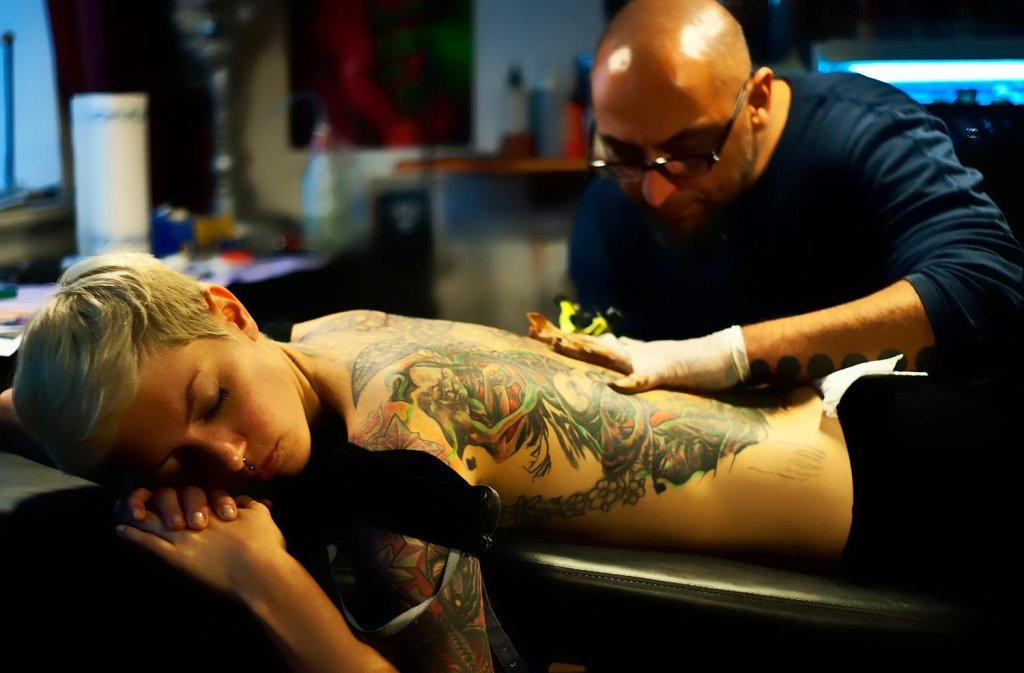
Another renowned studio in Budapest is Renegade Tattoo, which has gained a reputation for its bold and vibrant traditional tattoos. The artists at Renegade Tattoo are well-versed in the classic American and Japanese styles, creating striking designs that stand the test of time. The studio's inviting atmosphere and friendly staff make it a popular choice for both locals and visitors alike. Renegade Tattoo is also known for hosting guest artists from around the world, providing clients with the opportunity to get inked by some of the best in the industry.
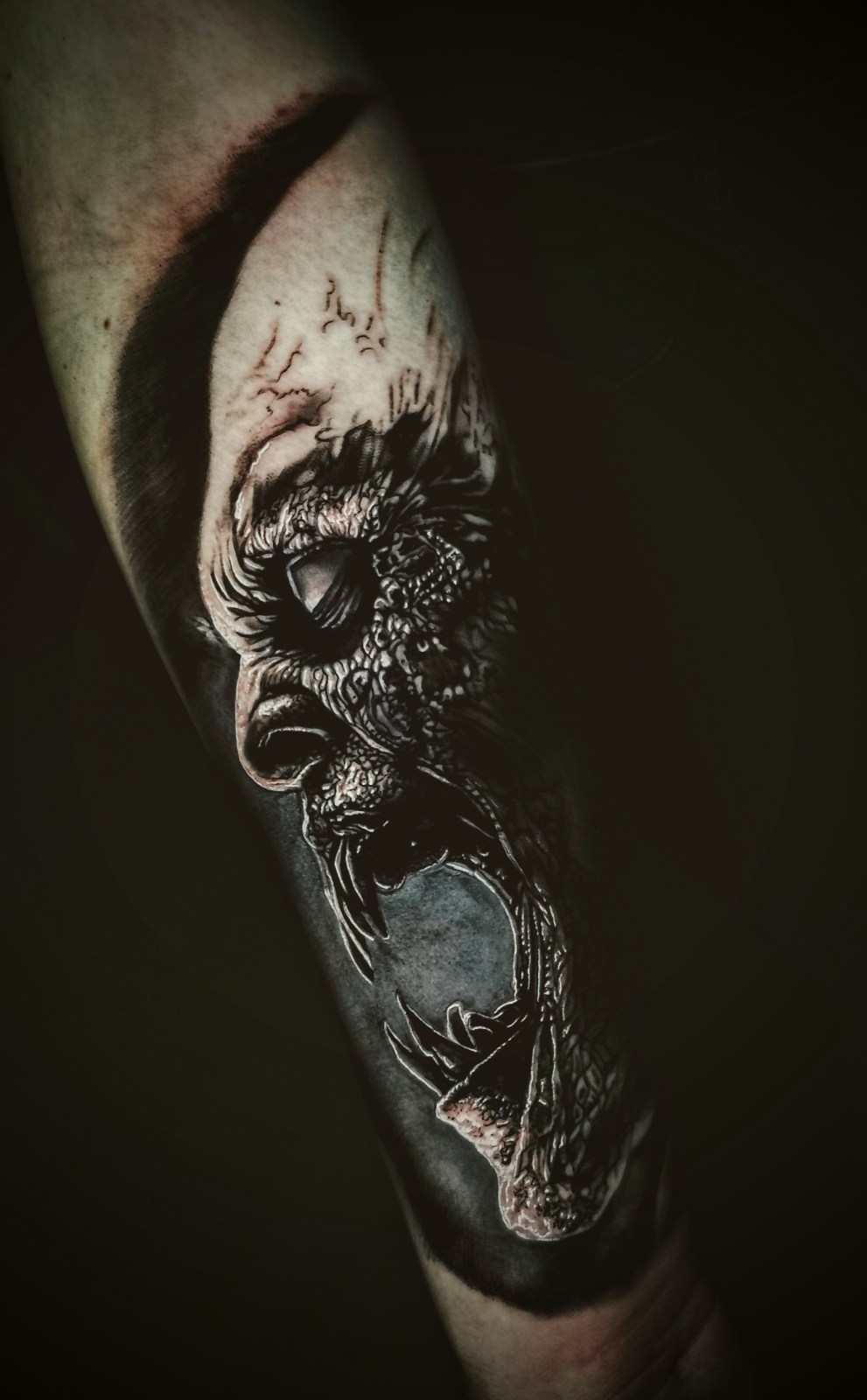
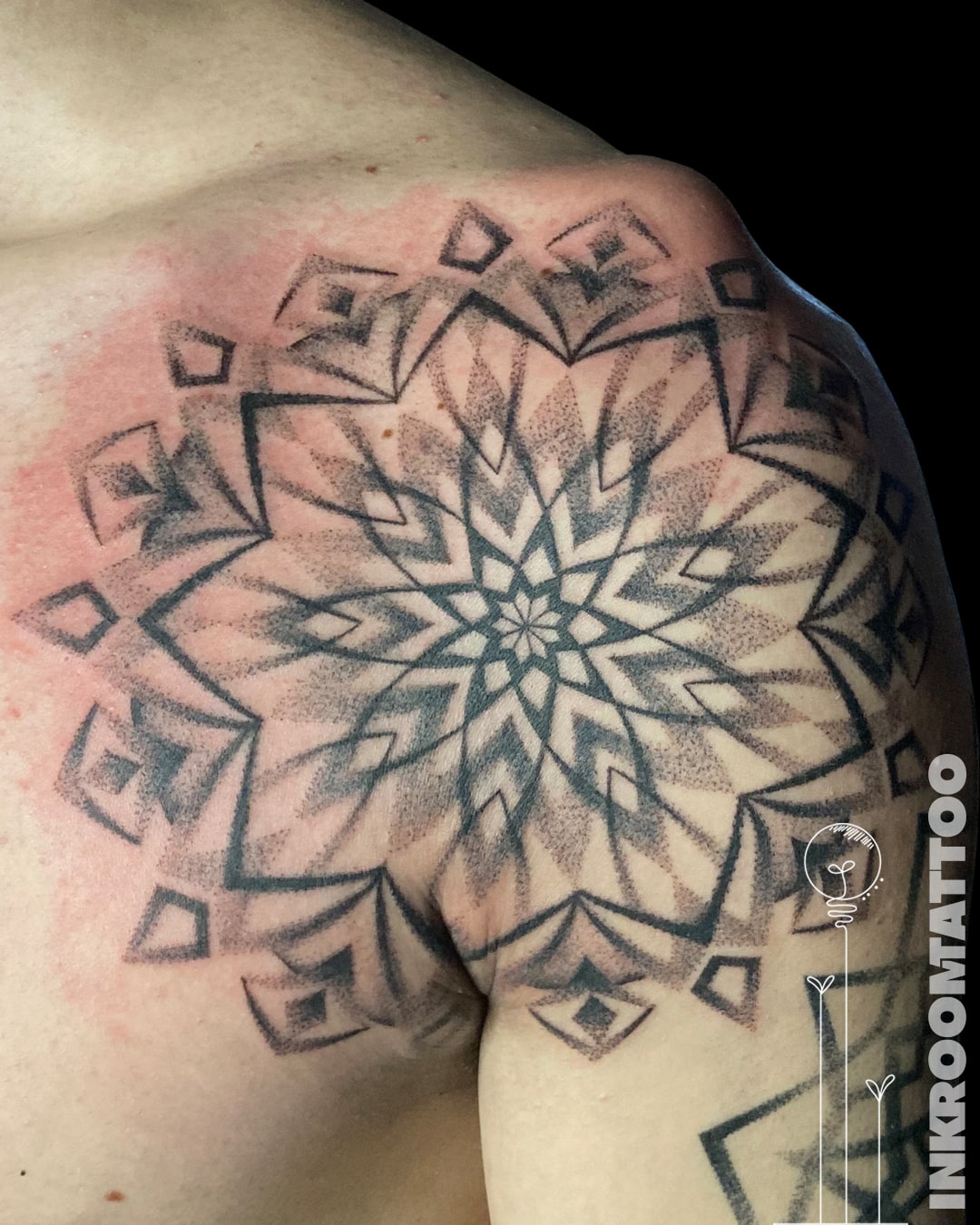
Inkroom Tattoo Budapest – Where Art Meets Heart
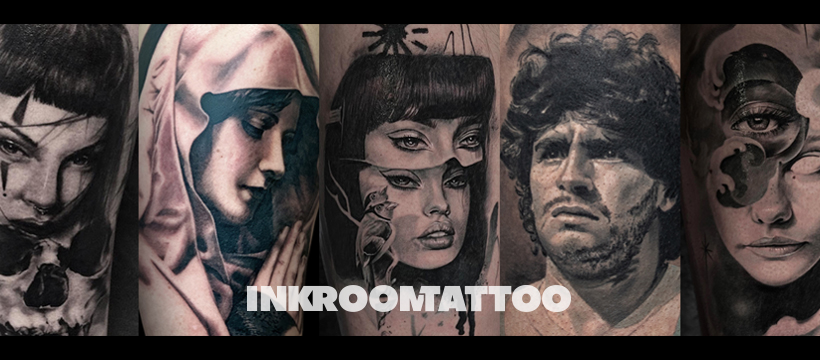
Looking for a tattoo that tells your story? Inkroom Tattoo is nestled in the heart of Budapest, offering a cozy, welcoming space where your skin becomes the canvas and your ideas become unforgettable art. We believe in building a real connection with you—because a great tattoo starts with trust and vibes. Drop by, get to know us, and let’s create something truly lasting together.
What to Look for in a Tattoo Studio
Choosing the right tattoo studio is crucial to ensuring a positive experience and a tattoo that you'll cherish for life. One of the most important factors to consider is the studio's reputation. Look for reviews and testimonials from previous clients to get a sense of the quality of work and customer service. A reputable studio will have a portfolio of their artists' work readily available, allowing you to see the range and skill of their designs. It's also a good idea to visit the studio in person to get a feel for the atmosphere and cleanliness.
Hygiene and safety should be top priorities when selecting a tattoo studio. Ensure that the studio follows proper sterilization procedures and uses single-use needles and equipment. A clean and organized workspace is a good indicator of a studio's commitment to maintaining high standards of hygiene. Don't hesitate to ask about their sterilization practices and observe how they handle their equipment. A professional studio will be transparent about their procedures and happy to answer any questions you may have.
Another important consideration is the artist's style and expertise. Different artists specialize in different styles, so it's essential to find someone whose work aligns with your vision. Take the time to research the artists at the studio and look through their portfolios. Many artists also have social media profiles where they showcase their latest work, giving you a better idea of their style and skill level. A good artist will also take the time to discuss your ideas and provide guidance on the design and placement of your tattoo.
Interview with a Renowned Tattoo Artist in Budapest
To gain deeper insights into the tattoo scene in Budapest, we had the pleasure of interviewing Zoltán, a renowned tattoo artist known for his exceptional realism and portrait work. Zoltán has been in the industry for over a decade and is highly respected for his meticulous attention to detail and artistic talent. During our interview, Zoltán shared his thoughts on the evolution of tattooing in Budapest, the challenges he has faced, and his advice for those considering their first tattoo.
"Budapest has always had a rich cultural heritage, and tattooing has become an integral part of that," Zoltán explained. "When I first started, there was still a lot of stigma attached to tattoos, but over the years, that perception has changed dramatically. People now see tattoos as a form of art and self-expression, and the demand for high-quality work has increased significantly."
Zoltán also emphasized the importance of finding the right artist. "Every artist has their own style and strengths, so it's crucial to do your research and find someone who can bring your vision to life. Communication is key – make sure you feel comfortable discussing your ideas with your artist and that they understand what you want. A good artist will also provide honest feedback and help you refine your design."
When asked about his advice for first-timers, Zoltán had this to say: "Take your time and don't rush the process. Getting a tattoo is a significant commitment, so it's important to be sure about your design and the placement. Also, be prepared for the healing process and follow your artist's aftercare instructions carefully. A well-cared-for tattoo will look beautiful for years to come."
Popular Tattoo Styles Among Locals
In Budapest, you'll find a diverse range of tattoo styles that reflect the city's vibrant and eclectic culture. One of the most popular styles among locals is realism, which involves creating lifelike images that resemble photographs. Realism tattoos require a high level of skill and precision, and Budapest is home to several artists who excel in this style. From detailed portraits of loved ones to stunning depictions of animals and nature, realism tattoos are a testament to the artist's ability to capture the essence of their subject.
Traditional tattoos are also a favorite among Budapest's tattoo enthusiasts. This style is characterized by bold lines, vibrant colors, and iconic imagery such as anchors, roses, and swallows. Traditional tattoos have a timeless appeal and are known for their durability and longevity. The city's tattoo studios offer a range of traditional designs, from classic American styles to Japanese irezumi, each with its own unique cultural significance and aesthetic.
Watercolor tattoos have gained popularity in recent years, thanks to their delicate and painterly appearance. This style mimics the look of watercolor paintings, with soft gradients and a blend of vibrant hues. Watercolor tattoos are often used to create abstract designs, floral motifs, and artistic interpretations of animals and landscapes. The fluid and ethereal quality of watercolor tattoos makes them a popular choice for those seeking a more artistic and whimsical look.
The Tattoo Process: What to Expect?
Getting a tattoo is an exciting experience, but it's important to know what to expect to ensure a smooth and enjoyable process. The first step is the consultation, where you'll discuss your design ideas with your chosen artist. This is an opportunity to share your vision, ask questions, and receive guidance on the best approach for your tattoo. The artist will provide input on the design, size, and placement, and may create a preliminary sketch for your approval.
Once the design is finalized, the next step is preparing for the tattoo session. This involves cleaning and shaving the area to be tattooed to ensure a smooth surface. The artist will then transfer the stencil of your design onto your skin, allowing you to see how it will look and make any necessary adjustments. It's important to communicate any concerns or changes at this stage, as it will be more difficult to alter the design once the tattooing begins.
The tattooing process itself can vary in length depending on the size and complexity of the design. It can take anywhere from a few minutes to several hours. The artist will use a tattoo machine with sterilized needles to apply the ink into the dermis layer of your skin. You may experience some discomfort or pain, but this varies from person to person and depends on the location of the tattoo. It's important to stay relaxed and follow your artist's instructions throughout the session.
Aftercare Tips for Your New Tattoo
Proper aftercare is essential to ensure that your new tattoo heals well and retains its vibrant appearance. Immediately after the tattoo session, your artist will clean the area and apply a protective bandage. It's important to keep the bandage on for the recommended time, usually a few hours, to prevent infection and protect the tattoo from external contaminants. Once you remove the bandage, gently wash the tattoo with mild soap and lukewarm water, then pat it dry with a clean towel.
During the healing process, avoid exposing your tattoo to direct sunlight, swimming pools, hot tubs, and excessive moisture. These can cause irritation and increase the risk of infection. Apply a thin layer of fragrance-free, tattoo-specific aftercare ointment or lotion to keep the skin moisturized. Avoid using products with alcohol or fragrances, as these can cause irritation. Follow your artist's aftercare instructions carefully, as they may have specific recommendations based on their experience and the type of tattoo you received.
It's normal for your tattoo to scab and peel during the healing process, but resist the urge to pick or scratch at it. This can cause damage to the tattoo and increase the risk of infection. Allow the scabs to fall off naturally, and continue to moisturize the area to keep the skin hydrated. Most tattoos take about 2-4 weeks to fully heal, but this can vary depending on the size and location of the tattoo. Once the tattoo is healed, continue to protect it from the sun by applying sunscreen to prevent fading and keep the colors vibrant.
How to Choose the Right Tattoo for You?
Choosing the right tattoo is a deeply personal decision that involves careful consideration of several factors. Start by thinking about the meaning and significance of the design. A tattoo is a permanent addition to your body, so it's important to choose something that resonates with you and holds personal value. Consider your interests, passions, and experiences, and how they can be represented through art. Whether it's a symbol, quote, or image, your tattoo should reflect who you are and what matters to you.
The placement of your tattoo is another important consideration. Different parts of the body have varying levels of sensitivity and visibility, so think about where you want your tattoo to be. Some people prefer discreet locations that can be easily covered, while others opt for more prominent areas that showcase their ink. Consider how the tattoo will look with your body shape and how it might change over time. Discuss placement options with your artist, as they can provide valuable input on the best location for your design.
Research different tattoo styles and find one that aligns with your aesthetic preferences. From traditional and realism to watercolor and geometric, there are countless styles to choose from. Look at portfolios of different artists to see what styles they specialize in and find one that resonates with you. Don't be afraid to mix styles or come up with something entirely unique. Your artist can help you refine your ideas and create a custom design that is truly one-of-a-kind.
Embracing the Art of Tattooing in Budapest
Budapest's tattoo scene is a vibrant and dynamic reflection of the city's artistic spirit. With a rich history of cultural evolution and a diverse range of talented artists, the city's tattoo studios offer something for everyone. Whether you're drawn to the meticulous detail of realism, the bold lines of traditional tattoos, or the ethereal beauty of watercolor designs, Budapest has a studio that can bring your vision to life. The key to a successful tattoo experience is finding the right artist and studio, and taking the time to research and plan your design.
From the initial consultation to the final aftercare, the tattoo process is a journey of self-expression and creativity. By choosing a reputable studio and following proper aftercare instructions, you can ensure that your tattoo heals beautifully and stands the test of time. Remember, a tattoo is not just a piece of art – it's a part of you, a reflection of your individuality, and a lasting symbol of your experiences and values.
As you explore the tattoo studios of Budapest, you'll discover a community of artists who are passionate about their craft and dedicated to creating meaningful and beautiful works of art. Whether you're a local or a visitor, getting a tattoo in Budapest is an opportunity to embrace the city's artistic heritage and make a lasting connection with its vibrant culture. So take the plunge, find your perfect design, and let your skin become a canvas for unforgettable artistry.